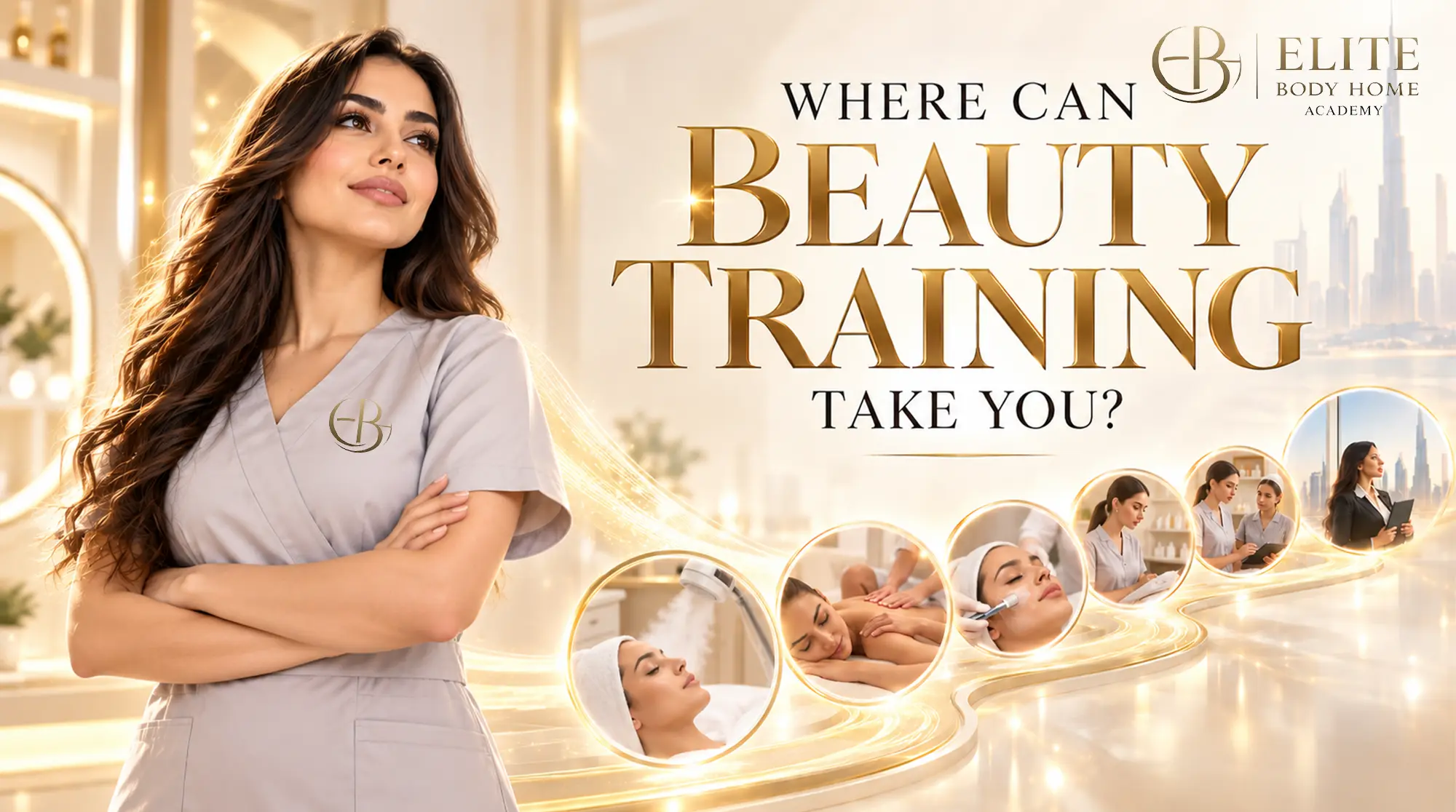
Professional beauty training serves as a launchpad into the global wellness, medi-spa, and clinical aesthetics economy. As personal care evolves from standard salon services into advanced, science-led treatments, accredited beauty training provides practitioners with portable, high-demand qualifications.
Whether your professional aspiration is working within premier polyclinics, managing luxury wellness resorts, or launching an independent aesthetic brand, professional beauty training establishes the clinical and practical foundation required for long-term career growth.
What Is Modern Beauty Training?
Modern beauty training is an evidence-based educational pathway encompassing dermal anatomy, cosmetic chemistry, facial electrotherapy, body contouring, and international infection control standards.
Unlike informal workshops, accredited beauty training combines comprehensive theoretical science with extensive clinical practice on live models. Quality beauty training aligns with recognized regulatory frameworks—such as the Knowledge and Human Development Authority (KHDA) and international awarding bodies like CIDESCO and CIBTAC—ensuring graduates possess credentials recognized across international healthcare and aesthetic environments.
Core Career Pathways: Where Can Beauty Training Take You?
Completing accredited beauty training opens distinct professional avenues across clinical, wellness, corporate, and entrepreneurial sectors.
Clinical Aesthetics
Dermal Therapist
Aesthetic Assistant
Spa & Medi-Wellness
Hydrotherapy Specialist
Wellness Director
Clinic Management
Spa Operations Manager
Clinical Coordinator
Entrepreneurship
Clinic Owner
Brand Founder
1. Clinical Beauty Therapy and Dermal Science
Graduates who complete structured beauty training can practice as qualified beauty therapists, skin specialists, or dermal therapists. Working alongside dermatologists and aesthetic specialists in medical polyclinics, practitioners perform:
- Targeted skin analysis and chemical peels
- Non-invasive facial modalities (microcurrent, radiofrequency, galvanic treatments)
- Pre- and post-procedural skincare regimens
2. Luxury Spa and Integrative Wellness
Aesthetic beauty training qualifies practitioners to secure positions within five-star hotel spas, destination wellness retreats, and medical spas. Responsibilities extend beyond basic facials to holistic body treatments, specialized lymphatic drainage, and comprehensive body therapies.
3. Advanced Aesthetic Specialization
Dedicated beauty training allows practitioners to pursue high-margin, specialized disciplines:
- Laser technician credentials (under health authority licensing pathways)
- Advanced lash, brow, and semi-permanent makeup artistry
- Specialized acne, hyperpigmentation, and scar management
4. Spa and Polyclinic Management
Rigorous beauty training also develops operational competence. Experienced therapists transition into managerial roles such as:
- Spa Director / Clinic Manager: Overseeing treatment workflows, hygiene compliance, and team performance
- Clinical Coordinator: Managing patient pathways, consultations, and scheduling within aesthetic practices
- Lead Aesthetic Trainer: Directing internal quality assurance and staff training across clinic branches
5. Beauty Business Entrepreneurship
For ambitious practitioners, beauty training provides the technical foundation needed to launch an independent practice, specialized treatment studio, or mobile aesthetic service. Understanding clinical standards, equipment selection, and contraindication assessment enables entrepreneurs to build client trust and achieve sustainable business profitability.
Key Career Pathways Comparison
| Professional Role | Focus Area | Work Environment | Career Growth Potential |
|---|---|---|---|
| Clinical Beauty Therapist | Advanced facials, peels, skin health | Polyclinics, dermatology practices | High (Advancement to Senior Dermal Specialist) |
| Spa & Wellness Specialist | Body therapies, lymphatic drainage | Luxury resorts, day spas, medi-spas | High (Advancement to Head of Spa Operations) |
| Aesthetic Assistant | Clinical prep, post-care, patient support | Aesthetic surgery centers, clinics | Moderate to High (Bridge to clinical practice) |
| Spa / Clinic Manager | Staff leadership, revenue, compliance | High-end salons, aesthetic groups | Very High (Executive Director opportunities) |
| Aesthetic Brand Founder | Independent services, custom retail lines | Private studios, boutique clinics | Unlimited (Scalable commercial enterprise) |
How to Choose the Right Beauty Training Provider
Not every beauty training program delivers equal professional value. To secure a viable qualification that employers respect, evaluate your prospective beauty training academy against these essential standards:
- Accreditation and Attestation: Confirm that your beauty training diploma includes local educational attestation (such as KHDA in Dubai) and aligns with international examining boards (CIDESCO, CIBTAC).
- Supervised Clinical Hours: Choose beauty training that allocates at least 60% of total hours to supervised, hands-on practice using live models rather than synthetic mannequins.
- Clinical Faculty Experience: Verify that instructors delivering your beauty training are actively practicing therapists or medical aesthetic specialists.
- Licensing Prerequisite Alignment: If you intend to sit for regulatory exams (such as the Dubai Health Authority - DHA), ensure the beauty training syllabus satisfies all prerequisite contact hours and practical competencies.
- Modern Device Exposure: Ensure your beauty training covers industry-standard electrotherapy and diagnostic technologies rather than outdated textbook procedures.
Frequently Asked Questions
What qualifications do you need to start beauty training?
Most foundation beauty training programs require a secondary school diploma (high school certificate or equivalent). No prior clinical experience is necessary, although foundational knowledge of biology, English communication, and hygiene principles is beneficial.
How long does professional beauty training take to complete?
Comprehensive diploma-level beauty training typically requires 6 to 12 months of full-time theoretical study and hands-on clinical rotations. Modular or specialized short courses (such as lash styling or basic facial techniques) range from several days to a few weeks.
Can beauty training lead to international employment?
Yes. When your beauty training leads to credentials accredited by international boards like CIDESCO or CIBTAC, your certifications are portable and recognized in more than 40 countries, enabling you to work globally in clinical practices, international resort spas, and luxury cruise lines.
Does beauty training prepare you to open your own aesthetic clinic?
Yes. Professional beauty training equips graduates with essential practical treatments, client intake frameworks, sterilization protocols, and client assessment methodologies. Supplemented with business and operational training, it forms the core prerequisite for managing an aesthetic venture legally and safely.
What is the typical earning trajectory after completing beauty training?
Entry-level therapists begin with competitive base salaries supplemented by service commissions. With ongoing professional development, advanced beauty training, and clinical device mastery, practitioners frequently double their earnings through senior specialist roles, clinic directorships, or private practice ownership.
The Bottom Line on Professional Beauty Training
Investing in comprehensive beauty training is an effective route to securing a durable, mobile, and financially rewarding career in personal care and aesthetics. By selecting an accredited beauty training program rooted in practical expertise and regulatory alignment, you build the clinical confidence and institutional credibility necessary to excel across the global beauty industry.